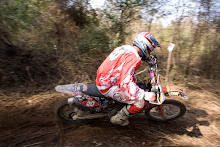
Teaching motorcycle riding schools I have been fortunate to meet a lot of people. Also being one of three successful
motorcycle racing brothers, people seek me out for advice. I love to give advice to anyone and help everyone as much as
possible. I often get asked by fathers with aspiring young riders , on what to do with their sons so they can become the
next big thing. I just look back to when I was a kid, and my dad took me riding every weekend, and I was taught at a
young age to work on my bike at a young age. My dad refused to work on his own bike and all three of hours. Just more work
and less riding. We learned a lot through making mistakes. My dad is old school and wouldnt tell you anything he would just
tell you once you fell down or had an issue, " I guess you wont do it that way again!" I beleive what has made us successful
racing is that we had the oppurtunity to ride whenever we wanted. We just rode alot as kids. And my dad still races to this day.
I see a lot of fathers stop racing to focus on their sons bike prep and pitting for them. I feel this is harder because in some
cases you put more pressure on son. When the fathers race it takes some of the pressure off and allows them to focus on
their own race.
I am a father also, and it is a tough situation to be in. Because we all want our kids to do well. But it has to be
fun as well. I take my son riding as much as possible and let him do whatever it is he wants. I feel he has great form,
and it is very beneficial to him to witness my riding schools. I do not push him to ride all the time, but it is there for
him anytime he wants it. I just try to keep it fun and let him learn from it. The focus that racing takes and so on is
instrumental in building kids into very well rounded adults. Motorcycle training help or motorcycle lessons or a motorcycle course is available at www.rlafferty.com
Thursday, July 30, 2009

Wednesday, July 29, 2009
Motorcycle Riding School/ How to do a wheelie 2
Earlier we discussed a stationary drill to help you understand clutch control and get you on your way to doing a
wheelie. While teaching this in motorcycle riding school I have noticed that people have issues with timing. When to apply
throttle and when to use the clutch. You have to everything at the proper time to get the front wheel off the ground.
In no time after applying these drills to your motorcycle training you will be wheeling with no problems.
Now I want you to find an open area and ride around in first gear pull in the clutch not all the way to the grip but
just to where the bike stops moving. Do not hit the brakes. With the clutch in rev the bike a bit and now release the clutch and give
it throttle at the same time just like you did in the stationary position. The object is to try and get the front wheel off the
ground at least 4-6 inches and progress from there. Also a key tip for the fingers on the clutch, use only 1-2 fingers either just your
middle or pointer or both. this will allow you to still hold on to the motorcycle and strill operate the clutch at the same time.
Take your time and be sure to practice this sitting and standing so you can wheelie your bike in both positions. For more
information on motorcycle lessons, motorcycle safety, or a motorcycle course please go to www.rlafferty.com
wheelie. While teaching this in motorcycle riding school I have noticed that people have issues with timing. When to apply
throttle and when to use the clutch. You have to everything at the proper time to get the front wheel off the ground.
In no time after applying these drills to your motorcycle training you will be wheeling with no problems.
Now I want you to find an open area and ride around in first gear pull in the clutch not all the way to the grip but
just to where the bike stops moving. Do not hit the brakes. With the clutch in rev the bike a bit and now release the clutch and give
it throttle at the same time just like you did in the stationary position. The object is to try and get the front wheel off the
ground at least 4-6 inches and progress from there. Also a key tip for the fingers on the clutch, use only 1-2 fingers either just your
middle or pointer or both. this will allow you to still hold on to the motorcycle and strill operate the clutch at the same time.
Take your time and be sure to practice this sitting and standing so you can wheelie your bike in both positions. For more
information on motorcycle lessons, motorcycle safety, or a motorcycle course please go to www.rlafferty.com
Motorcycle Riding School/ How to do a wheelie
In teaching my motorcycle riding schools most people want to learn how to do a wheelie. Because it looks cool and they
want to impress their friends. I have found that in my own motorcycle training that a wheelie comes in very handy in lofting
the front wheel up and over obstacles such as a log or a ditch.
In order to learn how to do a wheelie, you must first learn clutch control. So in a stationary position with the bike
running in first gear, with the clutch pulled in apply a bit of throttle just bring it off idle and let out the clutch until
the bike just starts to move. Once you have learned where the clutch needs to be to make the clutch move you have now learned
where the engagement point is. The engagement point is where you work from. Meaning you dont have to pull the clutch all the way
into the grip. Most people have an issue when they pull the clutch all the way in because it disrupts their timing. So as
said rev the bike just a bit with both feet on the ground in first gear with the clutch pulled in just before the engagement point.
Now let the clutch out smoothly, but DONT let your fingers come off the lever because you are going to want to pull it back in.
Just as you release the clutch give it more gas. This is just to understand what the bike will do and how to get the front wheel
off the ground. Try and get the front wheel at least 4-6 inches off the ground. Then quickly pull back in clutch and let off the
gas. This will take time but this is a small thing for you to do that will help you on your way to understanding where the
engagement point is and how to get the front wheel off the ground.
Practice this the next few times you go practicing. Soon we will discuss the next step in learning to do a wheelie.
For more information on motorcycle lessons, motorcycle course, or motorcycle safety please go to www.rlafferty.com
want to impress their friends. I have found that in my own motorcycle training that a wheelie comes in very handy in lofting
the front wheel up and over obstacles such as a log or a ditch.
In order to learn how to do a wheelie, you must first learn clutch control. So in a stationary position with the bike
running in first gear, with the clutch pulled in apply a bit of throttle just bring it off idle and let out the clutch until
the bike just starts to move. Once you have learned where the clutch needs to be to make the clutch move you have now learned
where the engagement point is. The engagement point is where you work from. Meaning you dont have to pull the clutch all the way
into the grip. Most people have an issue when they pull the clutch all the way in because it disrupts their timing. So as
said rev the bike just a bit with both feet on the ground in first gear with the clutch pulled in just before the engagement point.
Now let the clutch out smoothly, but DONT let your fingers come off the lever because you are going to want to pull it back in.
Just as you release the clutch give it more gas. This is just to understand what the bike will do and how to get the front wheel
off the ground. Try and get the front wheel at least 4-6 inches off the ground. Then quickly pull back in clutch and let off the
gas. This will take time but this is a small thing for you to do that will help you on your way to understanding where the
engagement point is and how to get the front wheel off the ground.
Practice this the next few times you go practicing. Soon we will discuss the next step in learning to do a wheelie.
For more information on motorcycle lessons, motorcycle course, or motorcycle safety please go to www.rlafferty.com
Tuesday, July 28, 2009
Motorcycle Riding School/ Prepping for mudd rain
Now that I teach motorcycle riding schools, one of the things I feel is important for me to do is to observe as
much as I can at the races other riders and their actions in preparing for a race. One of the things I notice is how
unprepared people are for mudd or rain. First off during the week I would look at the weather forecast for the area you will
be racing in. If they are getting a lot of rain during the week prior to the race then you can probally guess it will be muddy
on race day. Also you want to know the forecast for the day of the race. This way you can plan accordingly.
Before I go any further, I would also like to mention that during the week prior when your motorcycle training I notice
most people will not go practice due to the weather, such as if it is raining. This is not so good, you want to be prepared and what better way to
prepare then to practice in the rain or mudd. For the rain one thing that is crucial is vision. Some precautions to take are
to tape or screw a clear goggle lense to the end of your helmet visor. Also take some duct tape and make the sides of the visor a
little wider is good as well. This small tip will help keep rain off your goggles, and keep most mudd off as well.
As far as goggle prep, I reccomend dual pane lenses, because they do not fog. I also use roll offs in the rain to keep
my vision clear at all times. But you have to prep your roll offs special so they do not stick to the lense. Most times
when water gets under the film they stick to the lense and become useless. So what you need to do is use 2 roll
off visors at the top of the lense. One will go underneath and one will go over top. This will create a channel for the
roll off film to ride in and prevent them from sticking. I also would say it is a good idea to carry as many
paper towels in a zip lock bag with you. A extra pair of gloves would be a great idea as well.
When prepping your bike for a mudd race, always spray it down with a slippery substance such as WD-40. This will
stop most mudd from sticking to your bike and making it heavier. Be sure to keep WD-40 clear from your brakes.
Also a better set of hand protection, or the big elephant ears are awesome for keeping your hands dry and clean
in extreme mudd conditions.This is something I teach to all my students at my
motorcycle course and hope you benefit
as much as they did from it. For more on motorcycle lessons or motorcycle safety you can go to www.rlafferty.com
Better riding could be a motorcycle course away.
much as I can at the races other riders and their actions in preparing for a race. One of the things I notice is how
unprepared people are for mudd or rain. First off during the week I would look at the weather forecast for the area you will
be racing in. If they are getting a lot of rain during the week prior to the race then you can probally guess it will be muddy
on race day. Also you want to know the forecast for the day of the race. This way you can plan accordingly.
Before I go any further, I would also like to mention that during the week prior when your motorcycle training I notice
most people will not go practice due to the weather, such as if it is raining. This is not so good, you want to be prepared and what better way to
prepare then to practice in the rain or mudd. For the rain one thing that is crucial is vision. Some precautions to take are
to tape or screw a clear goggle lense to the end of your helmet visor. Also take some duct tape and make the sides of the visor a
little wider is good as well. This small tip will help keep rain off your goggles, and keep most mudd off as well.
As far as goggle prep, I reccomend dual pane lenses, because they do not fog. I also use roll offs in the rain to keep
my vision clear at all times. But you have to prep your roll offs special so they do not stick to the lense. Most times
when water gets under the film they stick to the lense and become useless. So what you need to do is use 2 roll
off visors at the top of the lense. One will go underneath and one will go over top. This will create a channel for the
roll off film to ride in and prevent them from sticking. I also would say it is a good idea to carry as many
paper towels in a zip lock bag with you. A extra pair of gloves would be a great idea as well.
When prepping your bike for a mudd race, always spray it down with a slippery substance such as WD-40. This will
stop most mudd from sticking to your bike and making it heavier. Be sure to keep WD-40 clear from your brakes.
Also a better set of hand protection, or the big elephant ears are awesome for keeping your hands dry and clean
in extreme mudd conditions.This is something I teach to all my students at my
motorcycle course and hope you benefit
as much as they did from it. For more on motorcycle lessons or motorcycle safety you can go to www.rlafferty.com
Better riding could be a motorcycle course away.
Motorcycle Riding School/ How to practice
The key to riding better and faster is to participate in a motorcycle riding school and to use what you learn there
and incorporate it in your practice. Most people when they leave my motorcycle lessons leave with a better knowledge
and understanding of proper techniques, but they do not incorporate it into their practice. Most riders just want to ride
with their buddies and pound laps or just trail ride. Which is great because its fun but all you do is ingrain those bad
habits into your subconscious and make it harder to change. You will get faster and better from just riding but it will
take a while longer and you will eventually meet a plateau and not be able to go any faster. This is where the proper
fundamentals come in.
Any motorcycle course will go over the fundamentals of riding from proper body position, cornering,to doing a
wheelie. I would say that when you ride set up some practice drills, such as a figure eight or an oval. Use these
for your turn practice. When you work on these drills be sure to start out slow and mentally check off in your head
that you are doing everything properly. Am I using good braking control, am I carrying enough momentum, what about
the front brake am I using it entering the turn, am I in the right gear. Going over and over this will definately
incorporate into better lap times. If you can shave a quarter to half a second in every turn how mush does that add up?
The other thing is that you want to play close attention that you are doing it consistently. This is why you need to
start out slowly until you got all the motions down. Then when you apply speed to it little by little you will do
all the proper movements without thinking about it. This all will take time, but the reward is worth it. Remember
that you do not train today for a race on this sunday, you will see the benefits 20-30 days down the road. It is a process.
So be consistent and give it time and be confident in yourself. This type of motorcycle training will be very beneficial
to you more so than just pounding laps over and over as hard as you can. Work on the fundamentals. For more
information on motorcycle safety and motorcycle training go to www.rlafferty.com
Better riding could be a motorcycle course away.
and incorporate it in your practice. Most people when they leave my motorcycle lessons leave with a better knowledge
and understanding of proper techniques, but they do not incorporate it into their practice. Most riders just want to ride
with their buddies and pound laps or just trail ride. Which is great because its fun but all you do is ingrain those bad
habits into your subconscious and make it harder to change. You will get faster and better from just riding but it will
take a while longer and you will eventually meet a plateau and not be able to go any faster. This is where the proper
fundamentals come in.
Any motorcycle course will go over the fundamentals of riding from proper body position, cornering,to doing a
wheelie. I would say that when you ride set up some practice drills, such as a figure eight or an oval. Use these
for your turn practice. When you work on these drills be sure to start out slow and mentally check off in your head
that you are doing everything properly. Am I using good braking control, am I carrying enough momentum, what about
the front brake am I using it entering the turn, am I in the right gear. Going over and over this will definately
incorporate into better lap times. If you can shave a quarter to half a second in every turn how mush does that add up?
The other thing is that you want to play close attention that you are doing it consistently. This is why you need to
start out slowly until you got all the motions down. Then when you apply speed to it little by little you will do
all the proper movements without thinking about it. This all will take time, but the reward is worth it. Remember
that you do not train today for a race on this sunday, you will see the benefits 20-30 days down the road. It is a process.
So be consistent and give it time and be confident in yourself. This type of motorcycle training will be very beneficial
to you more so than just pounding laps over and over as hard as you can. Work on the fundamentals. For more
information on motorcycle safety and motorcycle training go to www.rlafferty.com
Better riding could be a motorcycle course away.
Monday, July 27, 2009
Motorcycle Riding School/ Looking ahead
Teaching motorcycle riding schools has taught me so much, plus it has made me a better rider as well. Mostly
because in order to tell someone or teach someone I had to think about what I actually do so I can put it into words
to teach a student. It made me a better rider, and made me analyze how I handle things, and made me change some stuff
because once I looked at some things I realized that it was not the best way to do things. I have learned more and more
as I teach more motorcycle riding schools as well from watching other riders. I remember early on in giving motorcycle lessons, while
conducting a drill I stepped out to stop a student and the student did not stop until he was about to run over my foot.
I then realized that most beginners do not look far enough ahead.
Not looking far enough ahead is a big issue. This limits your speed. The faster you go the further ahead you must look.
If you only look in front of your fender you will not be ready for obstacles that you encounter, and if you focus only right
in front of you than that is as fast as you will go. You need to get in the habit of looking ahead further by raising
your eyes and looking out of the top of your goggles and focus to the next turn and be constantly scanning for obstacles.
This will improve your speed and help you be more ready for obstacles better plus carry more momentum.
So as I do while motorcycle training for corners be sure you are looking as far ahead as possible. Be prepared for
better lap times by doing this one thing. If you would like more information on motorcycle safety or motorcycle course
please go to www.rlafferty.com Good luck with your motorcycle training.
because in order to tell someone or teach someone I had to think about what I actually do so I can put it into words
to teach a student. It made me a better rider, and made me analyze how I handle things, and made me change some stuff
because once I looked at some things I realized that it was not the best way to do things. I have learned more and more
as I teach more motorcycle riding schools as well from watching other riders. I remember early on in giving motorcycle lessons, while
conducting a drill I stepped out to stop a student and the student did not stop until he was about to run over my foot.
I then realized that most beginners do not look far enough ahead.
Not looking far enough ahead is a big issue. This limits your speed. The faster you go the further ahead you must look.
If you only look in front of your fender you will not be ready for obstacles that you encounter, and if you focus only right
in front of you than that is as fast as you will go. You need to get in the habit of looking ahead further by raising
your eyes and looking out of the top of your goggles and focus to the next turn and be constantly scanning for obstacles.
This will improve your speed and help you be more ready for obstacles better plus carry more momentum.
So as I do while motorcycle training for corners be sure you are looking as far ahead as possible. Be prepared for
better lap times by doing this one thing. If you would like more information on motorcycle safety or motorcycle course
please go to www.rlafferty.com Good luck with your motorcycle training.
Motorcycle Riding School/ Proper standing body position
When I was younger I took motorcycle lessons and learned the proper body position for standing. Now in teaching my own
motorcycle riding schools it is definatley one of the main things we discuss and work on.I have noticed while watching
my students that a lot of people do not stand at all, mostly because they complain of it being more fatiguing. Most times
when students mention this right away I know that they do not stand properly. Most riders stand with their knees bent weighting
the back of the motorcycle and pull too much on the front end in doing so, actually lighting it up. The proper body
position for standing, you need to stand on the pegs with your knees straight but not locked. You do not want them locked
because you need them to bend to absorb an obstacle such as whoops or a log. You want to bend at the waste and bend over
like you are picking up the handlebars. You want to position your head forward over the handlebars like when you are sitting.
Because like when you are sitting keeping your head forward while standing weights the front end which makes it easier to control
and leads the motorcycle which creates momentum.
If you stand with your knees bent, after about 2-3 minutes your thighs and or back is in pain. So standing with your
knees straight it is easier. Another key to standing is to keep your toes pointed in towards the motorcycle. Because when
your legs bend to absorb something if your knees are pointed away from motorcycle your knees will lose contact with the
motorcycle which will enable it be in less control under you then if your legs were in contact and tight against the bike.
I f you keep your feet pointed in towards the motorcycle as you bend your knees your legs will still be in contact with
the motorcycle and keep it straighter and under better control.
The proper body position for standing is keeping your legs straight and your head over the bars and bend over at the
waste as if you were bending over to pick up the handlebars. Be sure that you use the proper hand position by
over gripping so your arms are positioned out and wide to have better control. Get out there and start practicing
the proper body position for standing. Start of slow because it will feel awkward at first. But you will see the
difference and be a better faster rider because of it. If you would like more information on motorcycle safety or
motorcycle training then go to www.rlafferty.com Better riding could be just a
motorcycle course away. Motorcycle riding schools
motorcycle riding schools it is definatley one of the main things we discuss and work on.I have noticed while watching
my students that a lot of people do not stand at all, mostly because they complain of it being more fatiguing. Most times
when students mention this right away I know that they do not stand properly. Most riders stand with their knees bent weighting
the back of the motorcycle and pull too much on the front end in doing so, actually lighting it up. The proper body
position for standing, you need to stand on the pegs with your knees straight but not locked. You do not want them locked
because you need them to bend to absorb an obstacle such as whoops or a log. You want to bend at the waste and bend over
like you are picking up the handlebars. You want to position your head forward over the handlebars like when you are sitting.
Because like when you are sitting keeping your head forward while standing weights the front end which makes it easier to control
and leads the motorcycle which creates momentum.
If you stand with your knees bent, after about 2-3 minutes your thighs and or back is in pain. So standing with your
knees straight it is easier. Another key to standing is to keep your toes pointed in towards the motorcycle. Because when
your legs bend to absorb something if your knees are pointed away from motorcycle your knees will lose contact with the
motorcycle which will enable it be in less control under you then if your legs were in contact and tight against the bike.
I f you keep your feet pointed in towards the motorcycle as you bend your knees your legs will still be in contact with
the motorcycle and keep it straighter and under better control.
The proper body position for standing is keeping your legs straight and your head over the bars and bend over at the
waste as if you were bending over to pick up the handlebars. Be sure that you use the proper hand position by
over gripping so your arms are positioned out and wide to have better control. Get out there and start practicing
the proper body position for standing. Start of slow because it will feel awkward at first. But you will see the
difference and be a better faster rider because of it. If you would like more information on motorcycle safety or
motorcycle training then go to www.rlafferty.com Better riding could be just a
motorcycle course away. Motorcycle riding schools
Motorcycle Riding School/ Body position
The proper body position in doing a motorcycle riding school is something overlooked by most riders. Proper body
position is the foundation for better riding and control. Even in giving my son motorcycle training I have been sure that
his body position be correct first before any other fundamentals were talked about, because I knew that with
the proper body position he would have better control over the motorcycle and be able to learn the fundamentals easier.
The first thing I address while teaching a motorcycle course is proper body position.
The proper body position for sitting is first to grip the handlebars by over gripping, meaning while sitting on your bike
grab the handle bars like you normally would now loosen your grip and rotate your wrists forward and grab the bars. This
should help make it easier to keep your elbows up. But now I want you to grab the grips like you would when you are
grabbing a tennis racket or a golf club. Let the bars lay across your hand on an angle. This is crucial because if
you hold on straight and put your elbows up you have a kink in your wrist that is uncomfortable. By holding the grips on
an angle you eliminate the kink in your wrist and have a feeling of better leverage. Also lets talk about why elbows up
is so important. Keeping your elbows down at your side limits your control of the motorcycle, because you only have
your shoulders, but if you keep your elbows up and out and away from your body you now add your elbows along with
your shoulders into it giving you better control and allowing you to react better when you go over an obstacle.
Okay, well now that we have established the arms and hand position, now lets discuss the position of your head.
When accelerating your head should be forward up over the handlebars. Because this causes you to lead the motorcycle
rather than the motorcycle leading you. With your head forward you also create momentum, by forcing the motorcycle to
catch up to you. Your head being forward also weights the front end. Which is crucial to putting the front wheel where you
want it and keeping it there. So you lead the motorcycle by putting your head forward up over the handlebars when accelerating
and now when braking you put your head back a bit off the bars.
Your but should be position primarily in the center of the seat, sliding forward to weight the front end in a turn,
and sliding back when unweighting the front end for an obstacle. Butt position is crucial but not as crucial as your legs.
Be sure to keep your legs tight against the motorcycle at all times. Keeping your legs tight will help reduce some of
the fatigue on your arms and help you steer the bike better as well as feel more one with the bike.
For more information on motorcycle lessons or motorcycle safety you can go to www.rlafferty.com
motorcycle riding schools
position is the foundation for better riding and control. Even in giving my son motorcycle training I have been sure that
his body position be correct first before any other fundamentals were talked about, because I knew that with
the proper body position he would have better control over the motorcycle and be able to learn the fundamentals easier.
The first thing I address while teaching a motorcycle course is proper body position.
The proper body position for sitting is first to grip the handlebars by over gripping, meaning while sitting on your bike
grab the handle bars like you normally would now loosen your grip and rotate your wrists forward and grab the bars. This
should help make it easier to keep your elbows up. But now I want you to grab the grips like you would when you are
grabbing a tennis racket or a golf club. Let the bars lay across your hand on an angle. This is crucial because if
you hold on straight and put your elbows up you have a kink in your wrist that is uncomfortable. By holding the grips on
an angle you eliminate the kink in your wrist and have a feeling of better leverage. Also lets talk about why elbows up
is so important. Keeping your elbows down at your side limits your control of the motorcycle, because you only have
your shoulders, but if you keep your elbows up and out and away from your body you now add your elbows along with
your shoulders into it giving you better control and allowing you to react better when you go over an obstacle.
Okay, well now that we have established the arms and hand position, now lets discuss the position of your head.
When accelerating your head should be forward up over the handlebars. Because this causes you to lead the motorcycle
rather than the motorcycle leading you. With your head forward you also create momentum, by forcing the motorcycle to
catch up to you. Your head being forward also weights the front end. Which is crucial to putting the front wheel where you
want it and keeping it there. So you lead the motorcycle by putting your head forward up over the handlebars when accelerating
and now when braking you put your head back a bit off the bars.
Your but should be position primarily in the center of the seat, sliding forward to weight the front end in a turn,
and sliding back when unweighting the front end for an obstacle. Butt position is crucial but not as crucial as your legs.
Be sure to keep your legs tight against the motorcycle at all times. Keeping your legs tight will help reduce some of
the fatigue on your arms and help you steer the bike better as well as feel more one with the bike.
For more information on motorcycle lessons or motorcycle safety you can go to www.rlafferty.com
motorcycle riding schools
Motorcycle Riding School/ Brake Pedal Height
The more I teach motorcycle riding schools the more I learn myself. I have learned a lot about how every little thing,
can add up to seconds lost or gained. In taking a motorcycle course myself when I was a kid I learned how corner speed
has a lot of different elements. As far as braking properly, brake pedal height is crucial. I find it is easier to adjust
your brake pedal so it is slightly higher than your foot peg than adjust it so that the brake pedal engages level with the
foot peg. This makes braking much easier in the way I explained earlier. Hold your foot up above the brake pedal
and keep it tight to the bike and operate the brake pedal while keeping it tight to the bike. This is makes it easier
to have better braking control. Better braking control is slowing the wheel down, rather than just locking up
the rear wheel.It is easier to do this with you foot up off the foot peg rather than down on the foot peg, because
your using your hold leg to moderate the pressure to the brake pedal rather than just flexing your ankle
and also having to lean forward to find the brake pedal.
So now go out and adjust that brake pedal and work at those cornering drills we discussed earlier. Remember that
perfect practice makes perfect. So practice at a slow speed than work into the speed once you have the braking process
down. Motorcycle training takes a lot of time, but it is well worth it. For more on
motorcycle safety, or motorcycle lessons go to www.rlafferty.com
motorcycle riding schools
can add up to seconds lost or gained. In taking a motorcycle course myself when I was a kid I learned how corner speed
has a lot of different elements. As far as braking properly, brake pedal height is crucial. I find it is easier to adjust
your brake pedal so it is slightly higher than your foot peg than adjust it so that the brake pedal engages level with the
foot peg. This makes braking much easier in the way I explained earlier. Hold your foot up above the brake pedal
and keep it tight to the bike and operate the brake pedal while keeping it tight to the bike. This is makes it easier
to have better braking control. Better braking control is slowing the wheel down, rather than just locking up
the rear wheel.It is easier to do this with you foot up off the foot peg rather than down on the foot peg, because
your using your hold leg to moderate the pressure to the brake pedal rather than just flexing your ankle
and also having to lean forward to find the brake pedal.
So now go out and adjust that brake pedal and work at those cornering drills we discussed earlier. Remember that
perfect practice makes perfect. So practice at a slow speed than work into the speed once you have the braking process
down. Motorcycle training takes a lot of time, but it is well worth it. For more on
motorcycle safety, or motorcycle lessons go to www.rlafferty.com
motorcycle riding schools
Saturday, July 25, 2009
Motorcycle Riding School/ Breathing
One of the many things I have learned myself through my own motorcycle training and in teaching my motorcycle riding schools
is how important proper breathing is. I always teach this to my students through my
motorcycle course. Breathing is important,
and breathing properly while racing or just riding is crucial. Breathing effects your mental clarity, your stanima, your
focus, and how relaxed you ride.
First, sitting where you are right now I want you to just open your mouth and breathe out like with a quick smooth
blow out, then pause like 1 second and blow out again, then pause 1 second and blow out again. Now my question is, "what
did your body do in between each breathe out?" Well, I always get a few different answers that are all true. But, the
main one I am looking for is that in between each breathe out your body naturally took air that it needed in. Most of
the time people focus on breathing air in. But they do not let enough back out, so your lungs cant take anymore air in
and you need more oxygen to do the task you are doing. Then they say, "I get so out of breathe." Your not out of
breathe you are to full of it. When your lungs are full of air, your chest cavity is expanded and you become tense,
and your arms become tense, sometimes causing arm pump. So this is why proper breathing can help your mental clarity.
Because the brain needs adequate oxygen to function, if its not getting it you wont be as sharp and cause yourself to make
mistakes. Your muscles also need oxygen to function properly, so towards the end of a long race or trail ride when
your body becomes tired, just focus on proper breathing to carry you through. If you practice proper breathing you
will also find that you ride more relaxed.
So just focus on breathing out and your body will take back in what it needs.You can practice this anywhere. Try it,
remember to breathe with your mouth open. You will find that it helps so much and you can even get a rhythm from doing it
properly. For more information on a motorcycle course, or motorcycle lessons you can go to www.rlafferty.com
motorcycle riding schools
is how important proper breathing is. I always teach this to my students through my
motorcycle course. Breathing is important,
and breathing properly while racing or just riding is crucial. Breathing effects your mental clarity, your stanima, your
focus, and how relaxed you ride.
First, sitting where you are right now I want you to just open your mouth and breathe out like with a quick smooth
blow out, then pause like 1 second and blow out again, then pause 1 second and blow out again. Now my question is, "what
did your body do in between each breathe out?" Well, I always get a few different answers that are all true. But, the
main one I am looking for is that in between each breathe out your body naturally took air that it needed in. Most of
the time people focus on breathing air in. But they do not let enough back out, so your lungs cant take anymore air in
and you need more oxygen to do the task you are doing. Then they say, "I get so out of breathe." Your not out of
breathe you are to full of it. When your lungs are full of air, your chest cavity is expanded and you become tense,
and your arms become tense, sometimes causing arm pump. So this is why proper breathing can help your mental clarity.
Because the brain needs adequate oxygen to function, if its not getting it you wont be as sharp and cause yourself to make
mistakes. Your muscles also need oxygen to function properly, so towards the end of a long race or trail ride when
your body becomes tired, just focus on proper breathing to carry you through. If you practice proper breathing you
will also find that you ride more relaxed.
So just focus on breathing out and your body will take back in what it needs.You can practice this anywhere. Try it,
remember to breathe with your mouth open. You will find that it helps so much and you can even get a rhythm from doing it
properly. For more information on a motorcycle course, or motorcycle lessons you can go to www.rlafferty.com
motorcycle riding schools
Friday, July 24, 2009
Motorcycle Riding School/Corner Speed 4/nose wheelie
I would like to give some more information on corner speed and front brake control. While giving
motorcycle lessons and even in my own motorcycle training, I have found that learning to do nose wheelie properly is
very useful to learning better front brake control. Most of the time while teaching a
motorcycle riding school to young
kids, they want to learn two things how to do a wheelie and how to do a nose wheelie. These are very useful to learn better
bike control.
For those of you who do not know, a nose wheelie is done by applying the front brake and lifting the rear wheel
off the ground. Easier said then done for most, but it can be learned by anyone at any skill level. First I would find a
flat open surface. Accelerate in first gear, let off the throttle and apply the front brake smoothly the once the front wheel
becomes to slow , now lock up the front brake and pull up with your legs while grabbing against the sides of the motorcycle
and pulling up with your legs. The same as you bunny hop a bicycle. Be patient this will take some time. To add some more
lift to the rear wheel you will need some added momentum. To add momentum, you will need to add more throttle. So try this,
accelerate smoothly and give an added blip of the throttle right before you pull in the front brake. Then pull up with your
legs with your knees locked against the bike, and push up in a rolling forward motion against the handlebars.
This as said before is a great way for you to learn better front brake control, while it is also cool to amuse your
buddies. Remember to apply front brake with either your middle finger or pointer finger or both. I prefer the use of one
finger to be sure that I still maintain better control of the motorcycle. For more on my
motorcycle course, and
motorcycle safety go to www.rlafferty.com
motorcycle riding schools
motorcycle lessons and even in my own motorcycle training, I have found that learning to do nose wheelie properly is
very useful to learning better front brake control. Most of the time while teaching a
motorcycle riding school to young
kids, they want to learn two things how to do a wheelie and how to do a nose wheelie. These are very useful to learn better
bike control.
For those of you who do not know, a nose wheelie is done by applying the front brake and lifting the rear wheel
off the ground. Easier said then done for most, but it can be learned by anyone at any skill level. First I would find a
flat open surface. Accelerate in first gear, let off the throttle and apply the front brake smoothly the once the front wheel
becomes to slow , now lock up the front brake and pull up with your legs while grabbing against the sides of the motorcycle
and pulling up with your legs. The same as you bunny hop a bicycle. Be patient this will take some time. To add some more
lift to the rear wheel you will need some added momentum. To add momentum, you will need to add more throttle. So try this,
accelerate smoothly and give an added blip of the throttle right before you pull in the front brake. Then pull up with your
legs with your knees locked against the bike, and push up in a rolling forward motion against the handlebars.
This as said before is a great way for you to learn better front brake control, while it is also cool to amuse your
buddies. Remember to apply front brake with either your middle finger or pointer finger or both. I prefer the use of one
finger to be sure that I still maintain better control of the motorcycle. For more on my
motorcycle course, and
motorcycle safety go to www.rlafferty.com
motorcycle riding schools
Thursday, July 23, 2009
Motorcycle Riding School/Corner Speed 3
One of the many things I discuss and cant stress enough in my motorcycle riding schools is the importance of is Corner
Speed. While giving motorcycle lessons I have said many times that corner speed is where the race is won or lost. Anyone
can hold it wide open in the straight away but its how mush of that momentum you can carry threw the turn that is
crucial. In teaching a motorcycle course or even in my own motorcycle training, I have found that if you are losing a quarter
second in every turn, and there are say 20 turns for every mile of trail, that adds up to be quite a bit. This can average out
to be 2-4 seconds a mile. If you have a 6 mile course, that could end up being 12-24 seconds. So that is why I say it is crucial
work on your corner speed. For most this is where the time you are losing to your competitors is.
So the best way to work on corners is to set up a couple turn tracks or drills. Doing this in an open area is best.
I would set up a figure eight with a turn you can lay the bike over in (mx turn) and a upright turn with a PVC pipe on the
inside to act as a tree. You can also set up something a little longer as having a variety of practice drills for
turns I believe is best. The key to corner speed is perfect practice, not practice makes perfect. While practicing these
drills it is crucial to remember that you need to slow down and properly learn to do it properly at slow rate
of speed. Because you cannot try and learn anything especially when it is new to you by just going fast and trying to
implement it. So slow down and practice it slowly. Read on to some of my further articles on the proper corner technique,
and you also can go to www.rlafferty.com, for more on my motorcycle course and even motorcycle safety.
motorcycle riding schools
Speed. While giving motorcycle lessons I have said many times that corner speed is where the race is won or lost. Anyone
can hold it wide open in the straight away but its how mush of that momentum you can carry threw the turn that is
crucial. In teaching a motorcycle course or even in my own motorcycle training, I have found that if you are losing a quarter
second in every turn, and there are say 20 turns for every mile of trail, that adds up to be quite a bit. This can average out
to be 2-4 seconds a mile. If you have a 6 mile course, that could end up being 12-24 seconds. So that is why I say it is crucial
work on your corner speed. For most this is where the time you are losing to your competitors is.
So the best way to work on corners is to set up a couple turn tracks or drills. Doing this in an open area is best.
I would set up a figure eight with a turn you can lay the bike over in (mx turn) and a upright turn with a PVC pipe on the
inside to act as a tree. You can also set up something a little longer as having a variety of practice drills for
turns I believe is best. The key to corner speed is perfect practice, not practice makes perfect. While practicing these
drills it is crucial to remember that you need to slow down and properly learn to do it properly at slow rate
of speed. Because you cannot try and learn anything especially when it is new to you by just going fast and trying to
implement it. So slow down and practice it slowly. Read on to some of my further articles on the proper corner technique,
and you also can go to www.rlafferty.com, for more on my motorcycle course and even motorcycle safety.
motorcycle riding schools
Motorcycle Riding School/Corner speed2
I am a motorcycle riding school instructor, I have been teaching motorcycle lessons for 8 years. If you are interested in
a motorcycle course, motorcycle training or just motorcycle safety, than I am sure that I can help you between
my blog which you have found here or by my online riding school instruction at www.rlafferty.com. Earlier we discussed
some things as far as corner speed. We discussed proper braking and why not pulling in the clutch is important and
how momentum is key to building corner speed.
Lets talk about use of the front brake. Most people have issues in being confident in using the front brake. It
is that most people are scared of going over the bars or of the front wheel skidding out from under them. So lets address
these concerns. The front brake is used entering a turn, not in a turn. If you were to use the front brake while
in a turn the front wheel can skid out from under you. As far as brake control, simply you need to practice and find
the proper feel. Start at a slow speed and while entering a turn let off the throttle and as you do reach for the
front brake lever and apply pressure. Pressure is the key here, your not locking it up. You are applying pressure
to the front brake which slows the front wheel down. This is why proper front brake control is crucial to building
corner speed. The front brake is great to slow down the motorcycle but still maintain a proper sense of momentum. Rather
than just locking up the rear wheel and losing all momentum.So if front brake control is a issue for you, than we need to
set up some practice drills to combat this issue and give you better front brake control. Just simply set up a figure eight
in a field with a pole in each end to simulate the apex of the turn and to act as a tree. PVC pipe is best because it
will move if you hit it. A figure eight is best because your doing a left turn and a right turn back to back. So to start off
put the bike in second gear and accelerate smoothly. When entering the turn apply pressure to the front brake using
one or two fingers. Do not pull in the clutch or use the rear brake at all. Just practice the use of the front brake.
Work at it individually like this first then add use of the rear brake. Be sure to use the rear brake as we discussed before,
hold your leg tight to the bike and apply pressure to the rear brake pedal rather than just jabbing on it.
It is also important to remember to use one or two fingers on the front brake. I am most comfortable using just my middle
finger, because I have better control over the motorcycle by holding on with my other fingers and applying the front brake
with just one finger. This may take time for some of you to properly do without having to think about it. But once you work at
it you will have better brake control and improved corner speed.
So as a recap, you should set up a figure eight track with PVC poles at each end and practice cornering while using only
the front brake. Remember to practice this at a slow rate of speed until you become comfortable with this and can properly apply
front brake and still carry good corner speed. For more on motorcycle training you can go to www.rlafferty.com
motorcycle riding schools
a motorcycle course, motorcycle training or just motorcycle safety, than I am sure that I can help you between
my blog which you have found here or by my online riding school instruction at www.rlafferty.com. Earlier we discussed
some things as far as corner speed. We discussed proper braking and why not pulling in the clutch is important and
how momentum is key to building corner speed.
Lets talk about use of the front brake. Most people have issues in being confident in using the front brake. It
is that most people are scared of going over the bars or of the front wheel skidding out from under them. So lets address
these concerns. The front brake is used entering a turn, not in a turn. If you were to use the front brake while
in a turn the front wheel can skid out from under you. As far as brake control, simply you need to practice and find
the proper feel. Start at a slow speed and while entering a turn let off the throttle and as you do reach for the
front brake lever and apply pressure. Pressure is the key here, your not locking it up. You are applying pressure
to the front brake which slows the front wheel down. This is why proper front brake control is crucial to building
corner speed. The front brake is great to slow down the motorcycle but still maintain a proper sense of momentum. Rather
than just locking up the rear wheel and losing all momentum.So if front brake control is a issue for you, than we need to
set up some practice drills to combat this issue and give you better front brake control. Just simply set up a figure eight
in a field with a pole in each end to simulate the apex of the turn and to act as a tree. PVC pipe is best because it
will move if you hit it. A figure eight is best because your doing a left turn and a right turn back to back. So to start off
put the bike in second gear and accelerate smoothly. When entering the turn apply pressure to the front brake using
one or two fingers. Do not pull in the clutch or use the rear brake at all. Just practice the use of the front brake.
Work at it individually like this first then add use of the rear brake. Be sure to use the rear brake as we discussed before,
hold your leg tight to the bike and apply pressure to the rear brake pedal rather than just jabbing on it.
It is also important to remember to use one or two fingers on the front brake. I am most comfortable using just my middle
finger, because I have better control over the motorcycle by holding on with my other fingers and applying the front brake
with just one finger. This may take time for some of you to properly do without having to think about it. But once you work at
it you will have better brake control and improved corner speed.
So as a recap, you should set up a figure eight track with PVC poles at each end and practice cornering while using only
the front brake. Remember to practice this at a slow rate of speed until you become comfortable with this and can properly apply
front brake and still carry good corner speed. For more on motorcycle training you can go to www.rlafferty.com
motorcycle riding schools
Wednesday, July 15, 2009
Motorcycle Riding School/Corner Speed
Do you have any interest in riding your motorcycle faster? I am Rich Lafferty, I have been teaching motorcycle riding schools for over 8 years. I have helped people learn motorcycle safety, through my motorcycle lessons and giving them motorcycle training. I also have an on-line motorcycle training video clips. In this article I would like to discuss corner speed.In my opinion anyone can hold it wide open from corner to corner but it is how much of it you carry through the corner.
To me the thing we most need to work on is braking control. Meaning learning to brake and keep the motorcycle under control. Slow the motorcycle down without locking up the brakes. This helps slow down but still keep a positive sense of momentum.One of the biggest mistakes people make is while coming into a corner they pull in the clutch, then when they hit the rear brake it almost locks up instantly. Then the bike is sliding, when you are sliding you have lost momentum and are not in complete control of the bike. Try to learn and practice braking for a turn without pulling in the clutch. This will take practice. Most people whom pull in the clutch and jam on the rear brakes have an issue with this because they have no feel of the brake pedal. To learn feel, set up a small course maybe two straightaways hooked together with two turns. Practice slowing down for the turn by using the rear brake with no clutch, but here is something else to break the habit of slamming on the brakes. Hold your knee and inside calf tight and close to the bike, find the brake pedal and apply slight pressure. This is key because most people who mash on the rear brake have there leg away from the bike and have no control.By holding your leg tight you gain control of the brake pedal.
Try this tip first and then we will discuss other key factors that come into play when talking about corner speed and braking.For more information on a motorcycle class or how to ride a motorcycle go to http://www.rlafferty.com/
motorcycle riding schools
To me the thing we most need to work on is braking control. Meaning learning to brake and keep the motorcycle under control. Slow the motorcycle down without locking up the brakes. This helps slow down but still keep a positive sense of momentum.One of the biggest mistakes people make is while coming into a corner they pull in the clutch, then when they hit the rear brake it almost locks up instantly. Then the bike is sliding, when you are sliding you have lost momentum and are not in complete control of the bike. Try to learn and practice braking for a turn without pulling in the clutch. This will take practice. Most people whom pull in the clutch and jam on the rear brakes have an issue with this because they have no feel of the brake pedal. To learn feel, set up a small course maybe two straightaways hooked together with two turns. Practice slowing down for the turn by using the rear brake with no clutch, but here is something else to break the habit of slamming on the brakes. Hold your knee and inside calf tight and close to the bike, find the brake pedal and apply slight pressure. This is key because most people who mash on the rear brake have there leg away from the bike and have no control.By holding your leg tight you gain control of the brake pedal.
Try this tip first and then we will discuss other key factors that come into play when talking about corner speed and braking.For more information on a motorcycle class or how to ride a motorcycle go to http://www.rlafferty.com/
motorcycle riding schools
Subscribe to:
Posts (Atom)